

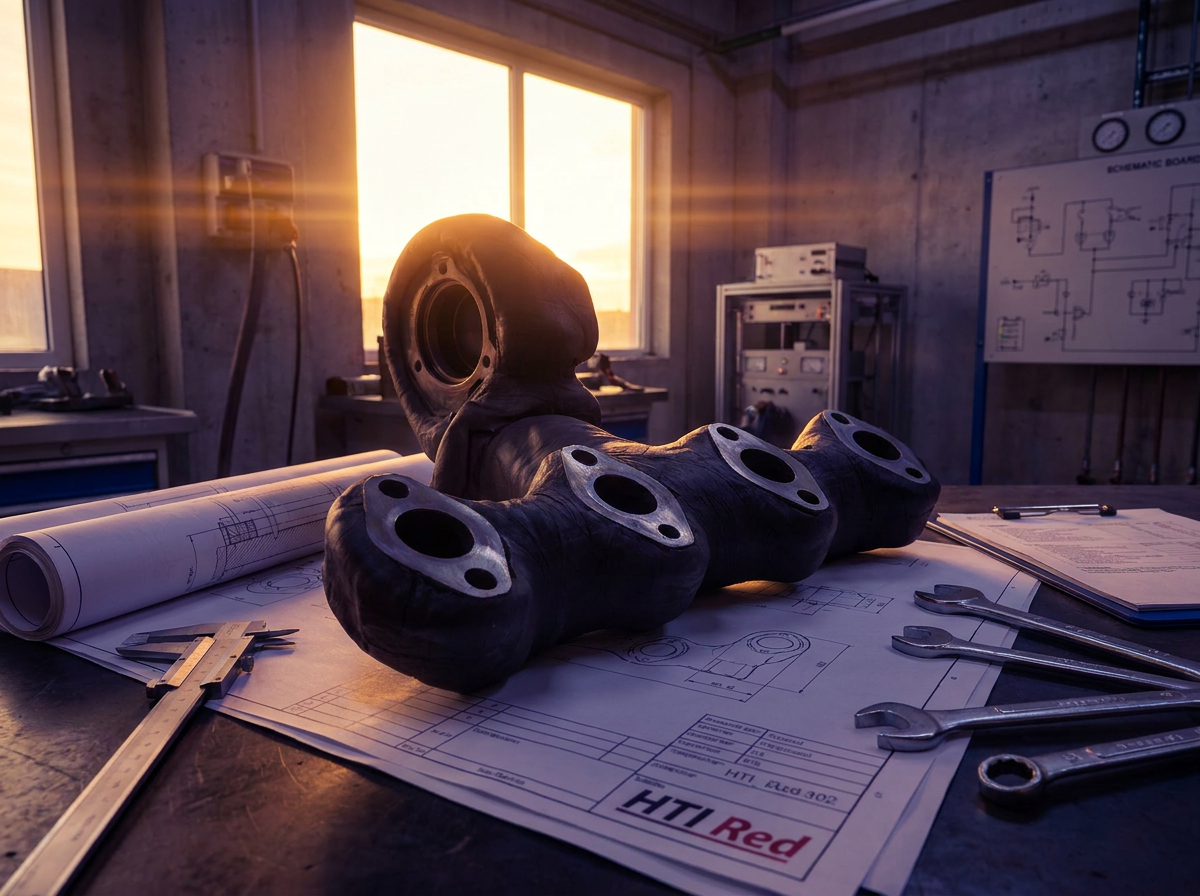
Hot surfaces on engine exhaust components pose ongoing risk after every maintenance cycle. Inconsistent insulation coverage creates unpredictable hot zones that threaten safety and uptime. This post outlines a drawings-based, repeatable high-temperature insulation approach designed to maintain coverage integrity and control hot-surface risk through repeated service events. You’ll learn what inputs matter and how to secure a reliable, serviceable insulation system built for your operating conditions. For more information, visit High Tech Insulators.
Drawings-Based Insulation Approach
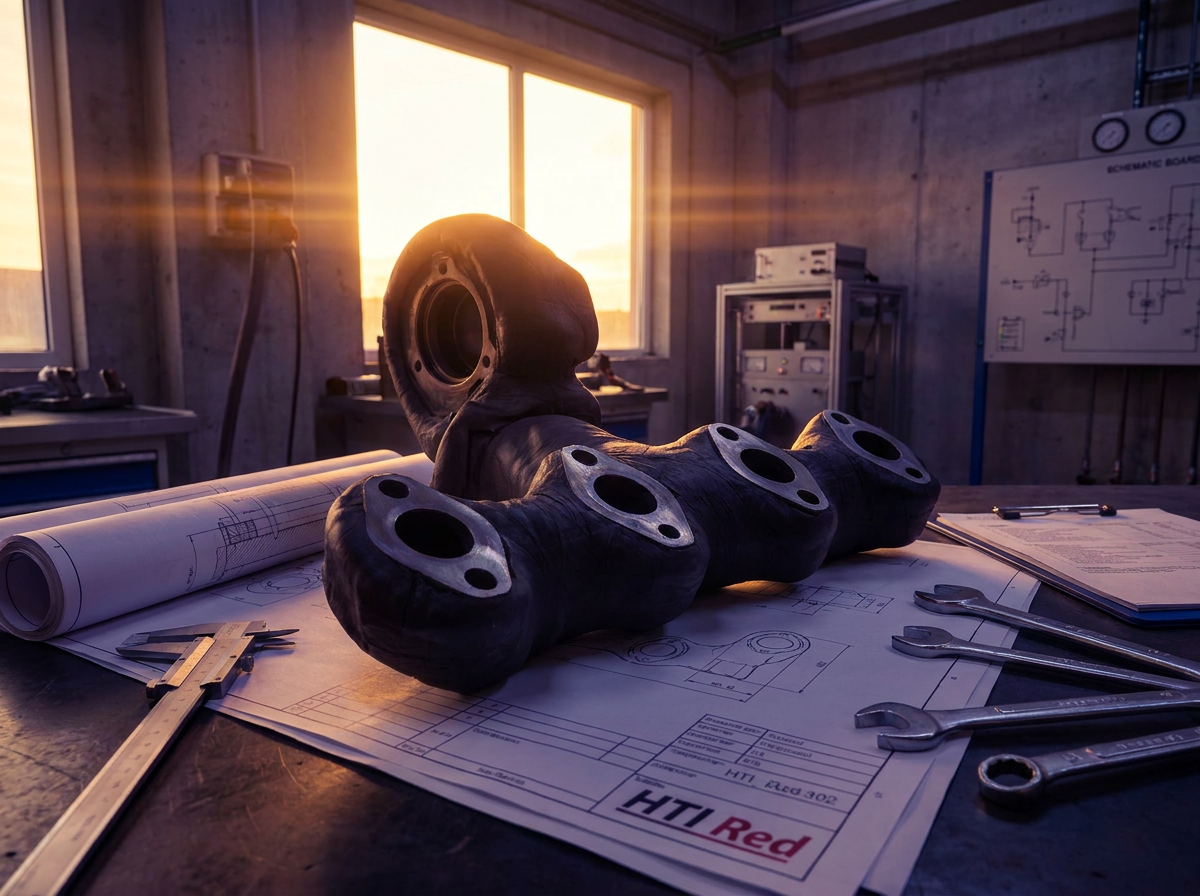
Understanding how insulation works starts with a precise, drawings-based plan. This ensures every component fits perfectly and maintains integrity after maintenance.
Ensuring Coverage Integrity
Keeping your engine parts safe from heat requires precise coverage. Imagine your engine having a warm blanket that fits just right. This kind of coverage reduces risks associated with heat. When you use a system based on exact drawings, you ensure that every part is covered as it should be. Inconsistent coverage can lead to dangerous hot spots, so having a reliable plan is crucial. For instance, if an engine compartment has a heat level of 1100 degrees, effective insulation can keep the outer surface at a safe 250 degrees. It’s all about creating a system that doesn’t leave any part exposed to risk.
Controlled-Fit for Repeatable Reinstall
Repeatability is key. Every time you work on your engine, you need to know that the insulation will fit back perfectly. This is where a controlled-fit system shines. It’s like having a puzzle with pieces that fit only one way. This ensures that after maintenance, everything goes back to its place with no hassle. You avoid the guesswork and ensure that the insulation stays effective. By having a controlled-fit design, you can confidently manage the risks associated with hot surfaces.
Managing Hot Surface Risks
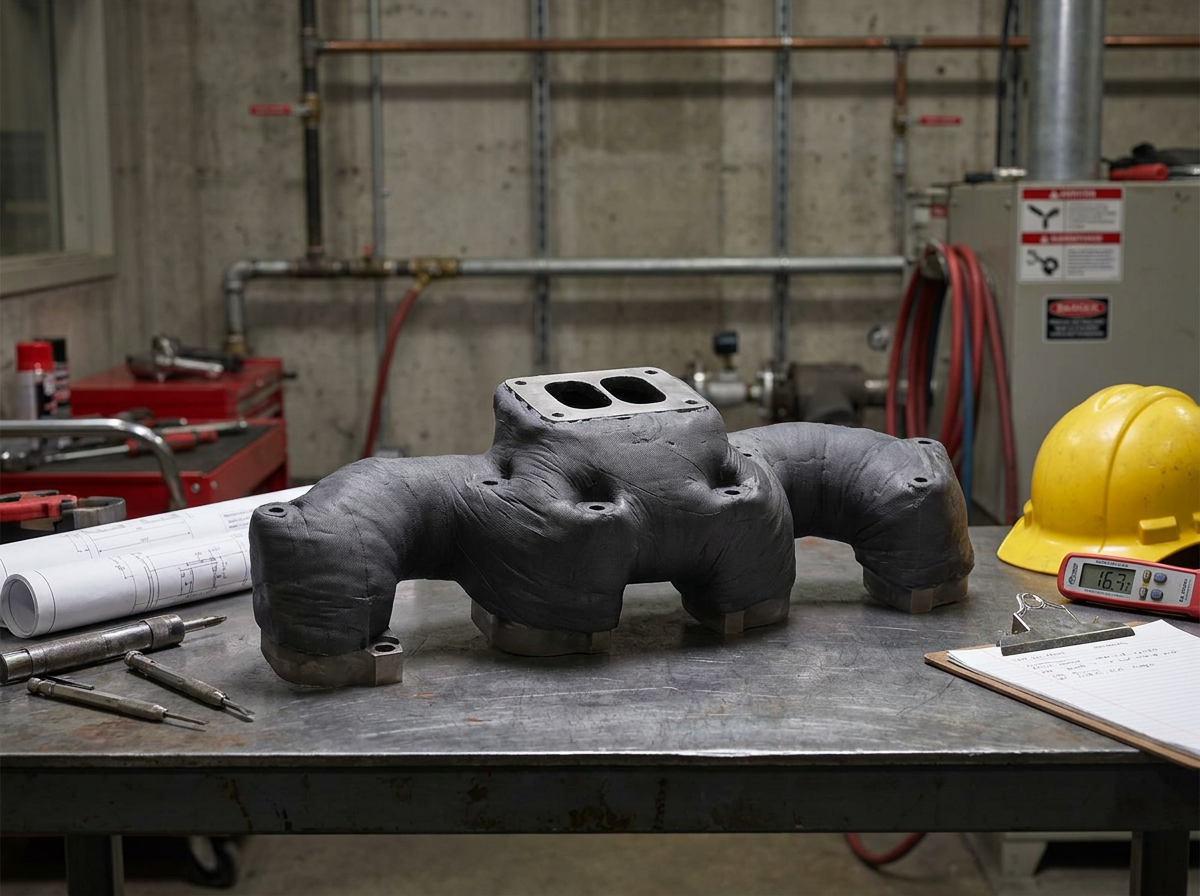
Managing the dangers associated with high temperatures involves using the right insulation materials. Let’s delve into the specifics of how these materials can protect your team and equipment.
High-Temperature Insulation for Safety
Safety should never be compromised. High-temperature insulation is your frontline defense against burns and equipment damage. It acts like a shield, protecting both your machinery and your crew from harmful heat. By using high-temperature insulation, you can significantly reduce the risk of accidents. This type of insulation is especially important in environments with extreme heat, such as engine test cells. It’s not just about keeping things cool; it’s about ensuring that everyone around your equipment is safe.
Reducing Downtime with Serviceable Systems
Time is money, and downtime can be costly. By using serviceable insulation systems, you can keep your equipment running longer without unnecessary breaks. These systems are designed to be easy to maintain, meaning less time is spent on repairs. Imagine having a system that’s ready to go whenever you need it. That’s the promise of a serviceable insulation system. With reduced downtime, your operations can continue smoothly, saving both time and resources.
Application Review Process
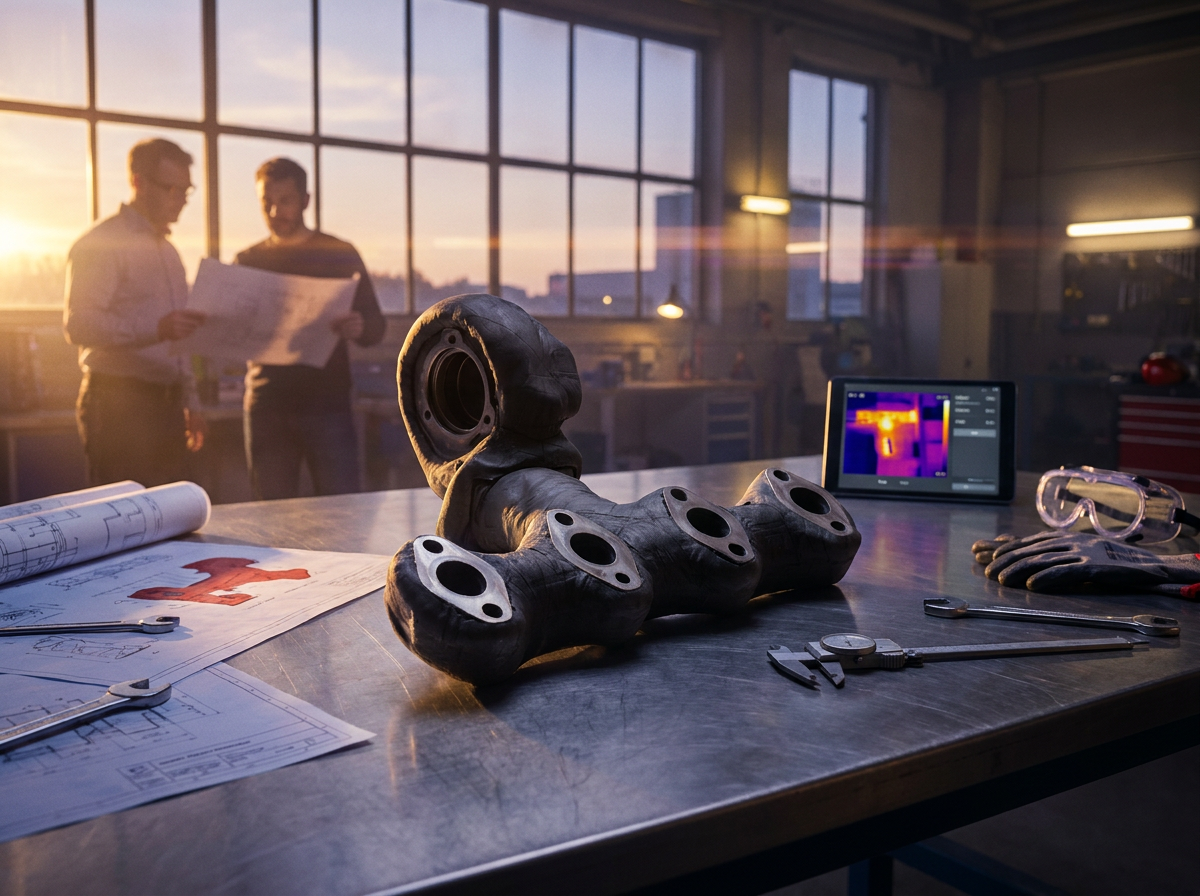
Before implementing any insulation strategy, it’s crucial to evaluate its application. This process ensures that the insulation will work effectively in your specific environment.
Importance of Operating Conditions
Every environment is different. Your operating conditions play a significant role in determining the right insulation approach. Consider factors like duty cycle, access frequency, and thermal mapping. These elements help tailor the insulation to your specific needs. For example, insulation that works well in one setting might not work in another with different conditions. Understanding your operating environment allows for a more targeted approach, ensuring maximum effectiveness.
Steps to a Scoped Insulation Recommendation
Getting the right insulation means following a structured process. Here are the steps:
-
Review Drawings: Assess the engine layout and identify potential hot spots.
-
Evaluate Conditions: Understand the operating environment, including temperature and usage.
-
Select Materials: Choose insulation materials that suit the specific needs of your equipment.
-
Implement Plan: Install the insulation following the detailed drawings.
-
Monitor and Adjust: Regularly check the insulation to ensure it remains effective.
By following these steps, you ensure that your insulation strategy is both effective and efficient. This process not only reduces risk but also provides peace of mind knowing that your equipment is protected.
By maintaining a focus on these principles, you keep your operations safe and efficient. For more insights, check out this discussion on metal fabrication.
Contact HTI about your project. Send drawings and operating conditions for review.