


Hot-surface risks spike when insulation coverage shifts after maintenance. Drawing-based scoping controls fit and fit consistency to stop that drift. By reviewing your engine exhaust insulation drawings alongside operating conditions, we deliver serviceable insulation designed for repeatable reinstall and coverage integrity. Contact HTI to review your application. Send drawings and operating conditions. Learn more.
The Importance of Drawings-Based Scoping

Understanding how drawings-based scoping influences serviceable insulation systems is crucial. It ensures precise fit and consistent coverage, reducing risks and maintaining performance in high-temperature environments.
Precision in Engine Exhaust Insulation
The secret to effective engine exhaust insulation lies in precision. Every part must fit perfectly to prevent hot spots and ensure safety. By using detailed drawings, you can achieve this high level of accuracy. This approach eliminates guesswork, allowing for exact measurements and custom solutions that suit your specific needs. When each component is tailored to fit, you minimize gaps and ensure full coverage. This precise fit is essential to stop heat escape and maintain optimal engine performance. Precise insulation is more than just a necessity; it’s a way to protect your equipment and improve its efficiency.
Reducing Hot Surface Risk
Hot surfaces pose a constant risk, especially after maintenance. But with the right insulation, you can manage this challenge effectively. Drawings-based scoping helps ensure that insulation covers every critical area, reducing the risk of exposed hot surfaces. This approach protects maintenance teams and ensures safety during operation. It’s about creating a reliable barrier that consistently performs well. By focusing on coverage, you can trust that your insulation will hold up even after repeated maintenance. This trust is vital for maintaining a safe work environment and extending the life of your equipment.
Ensuring Coverage Integrity Post-Maintenance
Maintaining coverage integrity is essential for ongoing performance. Post-maintenance, it’s easy for gaps to form if insulation isn’t reinstalled correctly. That’s where a controlled-fit solution makes a difference. By following precise drawings, you ensure that each piece fits back into place perfectly. This repeatability means you can remove and reinstall insulation without losing its effectiveness. It’s about creating a system that withstands regular maintenance and continues to perform as expected. Ensuring coverage integrity is not just about today; it’s about long-term reliability and peace of mind.
Designing for Real-World Operating Conditions
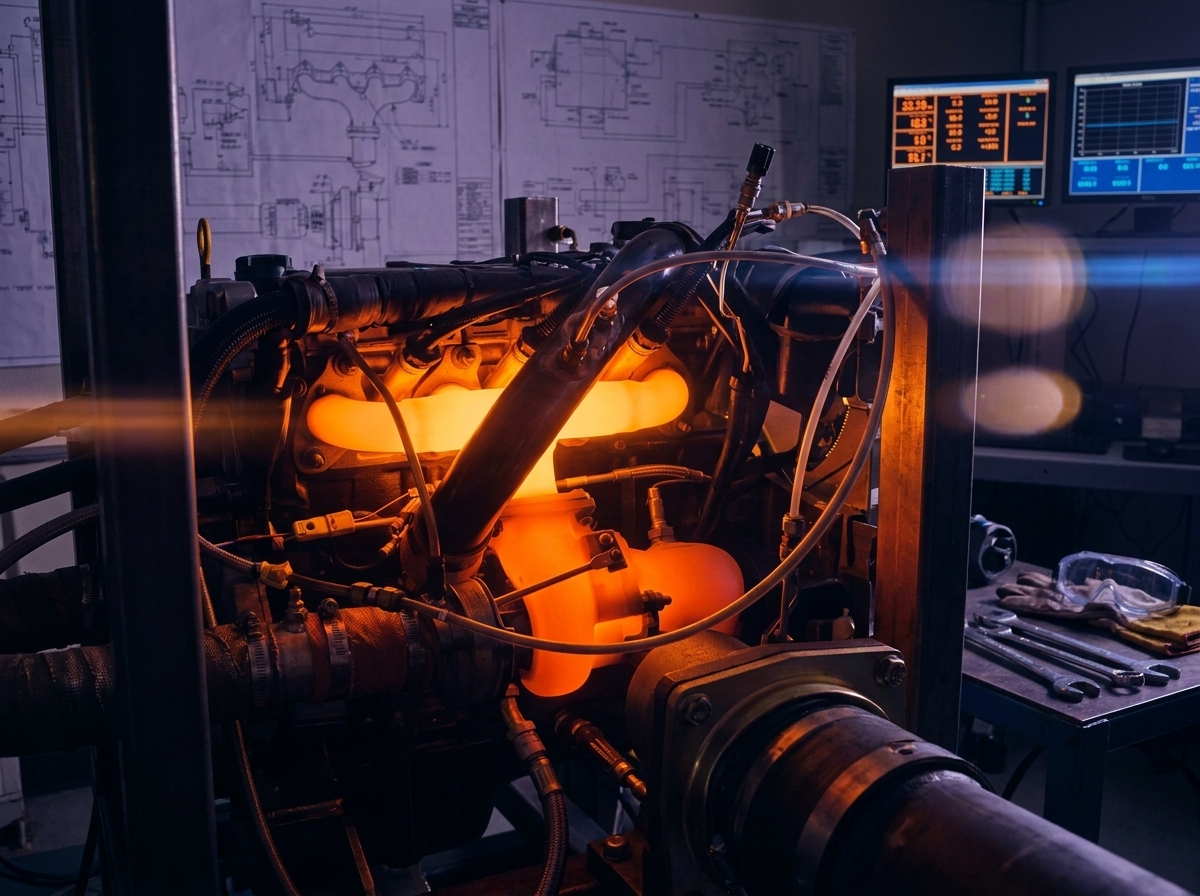
Designing insulation for real conditions requires a keen understanding of your engine’s environment. Each engine operates under unique circumstances, making it vital to tailor insulation to those specifics.
Controlled-Fit Insulation Techniques
Achieving a controlled fit requires a thorough understanding of your engine’s layout and operating conditions. This involves using detailed drawings to craft solutions that fit seamlessly. A controlled fit reduces the likelihood of hot spots and ensures that insulation performs optimally. It’s about matching the insulation precisely to the equipment’s contours, ensuring no air gaps or weak points. This approach not only enhances performance but also extends the lifespan of your insulation system. By focusing on a controlled fit, you’re investing in a solution that delivers consistent results.
Service Intervals and Duty Cycles
Service intervals and duty cycles play a crucial role in insulation design. Understanding how often maintenance occurs and how the engine operates daily is key to selecting the right materials and techniques. Insulation must withstand the specific demands of your equipment, from constant operation to frequent stop-and-start conditions. By considering these factors, you can choose insulation that meets your engine’s unique requirements. It’s about ensuring that insulation performs well, no matter the situation. With the right design, you can reduce downtime and maintain optimal performance.
Navigating Packaging Constraints
Every engine has its own set of packaging constraints. These limitations can affect how insulation is applied and how effective it will be. By using drawings, you can navigate these constraints effectively. This means finding innovative ways to fit insulation into tight spaces without sacrificing performance. It’s about adapting your approach to meet your engine’s specific needs. With the right strategy, you can overcome packaging challenges and ensure that insulation performs as intended. Navigating these constraints is an essential part of creating a reliable and effective insulation system.
The Value of Serviceable Insulation Systems

Serviceable insulation systems offer long-term benefits. They provide a practical solution to common challenges, ensuring that your equipment remains protected and efficient.
Repeatable Reinstall for Consistent Performance
One of the most significant advantages of serviceable insulation is its repeatability. When you can remove and reinstall insulation without losing effectiveness, you ensure consistent performance. This reliability means less downtime and fewer maintenance headaches. By focusing on repeatability, you create a system that’s easy to maintain and always ready to perform. It’s about building a solution that stands the test of time and keeps your equipment running smoothly. With repeatable reinstall, you can trust that your insulation will deliver consistent results every time.
Thermal Mapping and Documentation-Ready Solutions
Thermal mapping provides crucial insights into your engine’s performance. By documenting these findings, you create a record that supports ongoing maintenance and performance improvements. This documentation is not just for today but a tool for future decisions and adjustments. By focusing on thermal mapping, you ensure that your insulation system remains effective and efficient. It’s about creating a solution that’s not only ready for today but prepared for tomorrow’s challenges. With detailed documentation, you’re equipped to handle any situation that arises.
Facilitating EHS Audit Readiness
EHS audit readiness is a vital component of any insulation system. By ensuring that your solution meets all safety and environmental requirements, you protect your team and your equipment. A well-documented insulation system is easier to audit and supports ongoing compliance efforts. By focusing on EHS readiness, you create a solution that’s safe, reliable, and ready for any inspection. It’s about more than just meeting standards; it’s about exceeding them. With a commitment to safety and compliance, you can trust that your insulation system will always be up to the task.
Contact HTI about your project. Send drawings and operating conditions for review.