

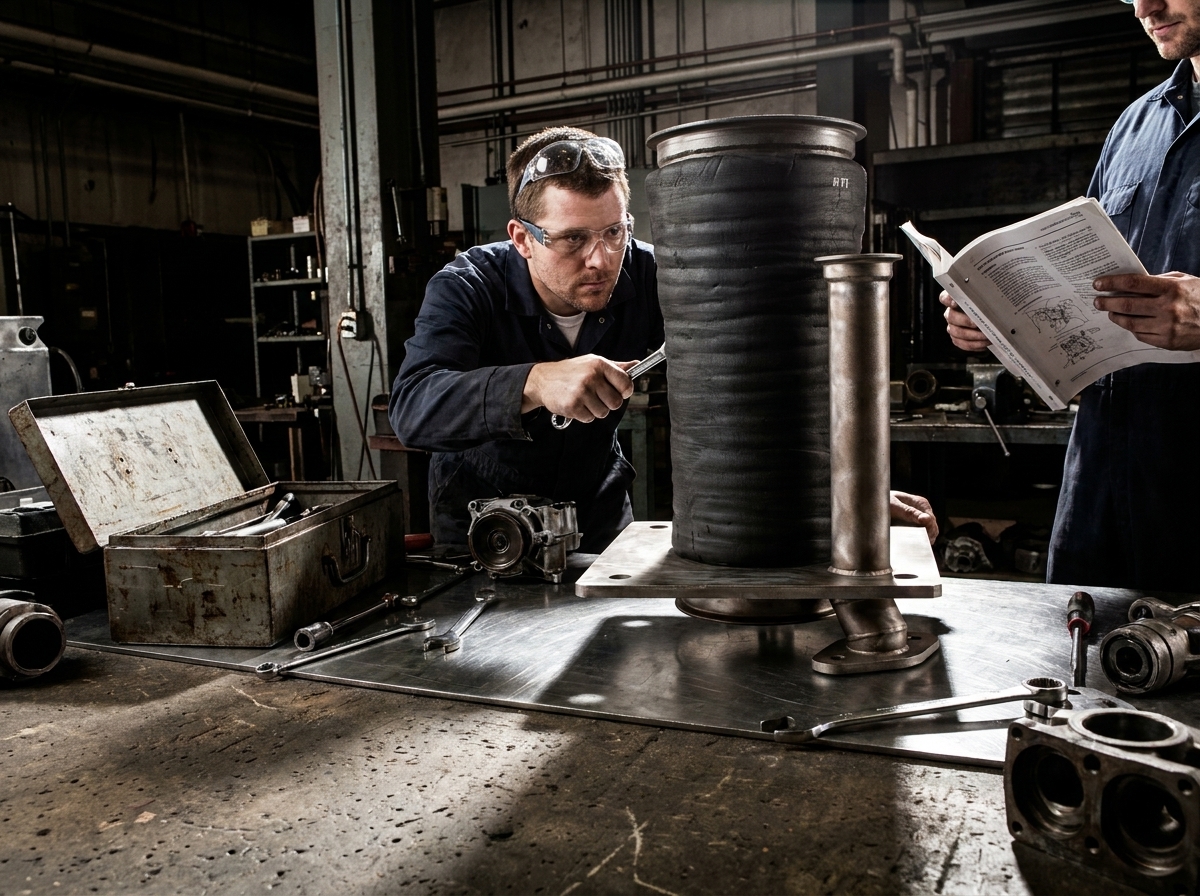
Coverage drift after maintenance is a hidden risk that can undermine your high-temperature insulation’s performance. When insulation shifts, hot surfaces reappear, raising safety and compliance concerns. This post explains why coverage drift happens and how controlled-fit insulation and repeatable systems keep your engine exhaust insulation consistent through every service. Learn more about the importance of insulation and its potential degradation by visiting here.
Understanding Coverage Drift
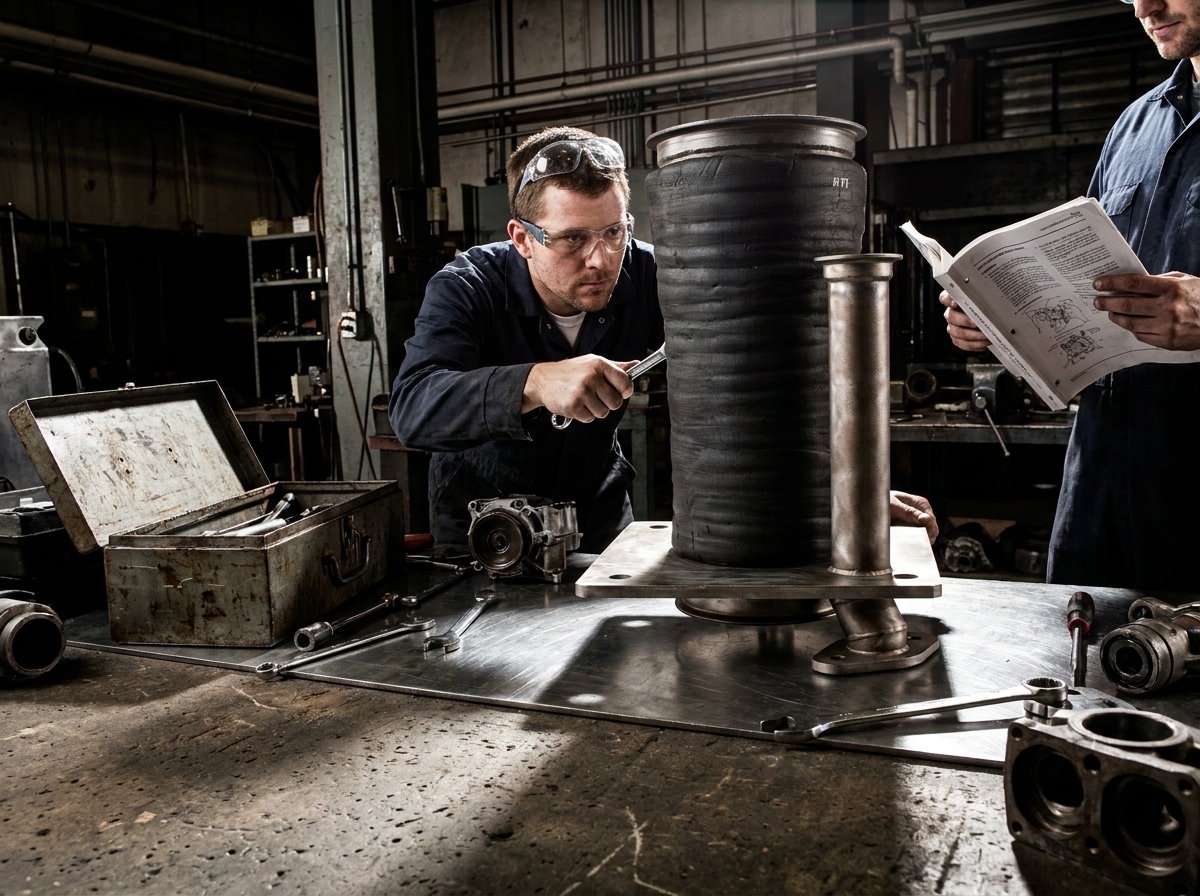
After maintenance, coverage drift can sneak in and disrupt your insulation’s performance. Let’s explore the root causes, impacts, and ways to identify this drift.
Causes of Coverage Drift
Coverage drift often occurs due to improper reinstallation of insulation materials or changes in environmental conditions. When insulation is not fitted back correctly, gaps can form, exposing hot surfaces. Another factor is the wear and tear that can occur during handling, leading to misalignment. Sometimes, modifications to equipment can also cause shifts in insulation coverage. Understanding these causes can help address the issue at its root.
Impact on High-Temperature Insulation
The effects of coverage drift are significant. When insulation shifts, it exposes parts to high temperatures, increasing safety risks. This exposure can lead to equipment damage or even failure. Additionally, non-compliance with safety standards can result in fines or operational shutdowns. Addressing drift not only protects equipment but also safeguards personnel from potential hazards.
Identifying Drift in Insulation Systems
Spotting coverage drift early is vital. Regular inspections can reveal gaps or misalignments. Look for signs of wear or changes in performance, such as increased surface temperatures. Using tools like thermal imaging can help pinpoint areas where insulation may have drifted. By catching these issues early, you can prevent further damage and maintain operational safety.
Preventing Coverage Drift
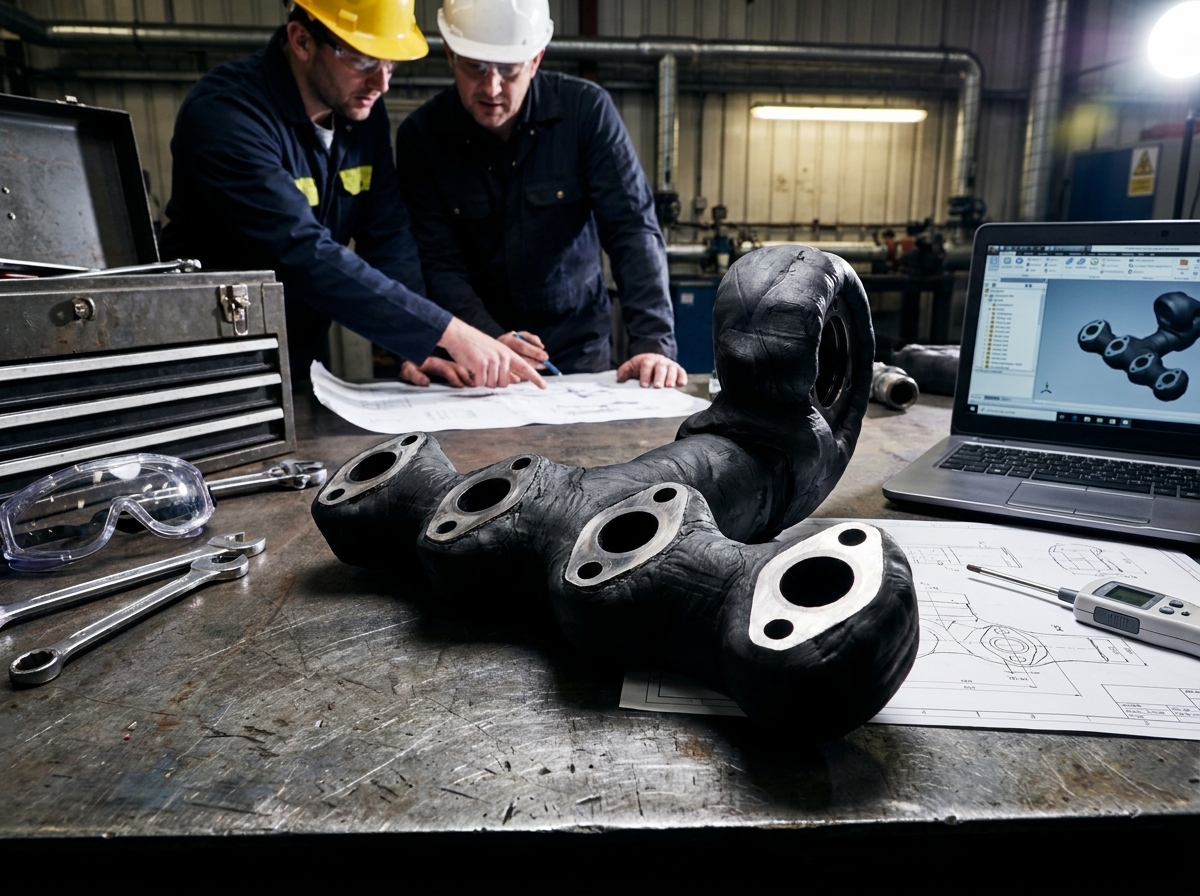
Ensuring consistent insulation coverage requires strategic methods. Let’s delve into techniques that help prevent drift and maintain optimal performance.
Repeatable Insulation Coverage Techniques
Using consistent methods for installing insulation is essential. Techniques such as controlled-fit systems ensure each piece fits precisely. This approach minimizes the chance of gaps forming during maintenance. It’s also crucial to follow documented procedures for installation and reinstallation, ensuring the same high standards are met every time. Consistency in these practices helps maintain insulation integrity.
On-Demand Part Swap Program Benefits
An on-demand part swap program can be a game-changer. It allows for quick replacement of insulation parts, reducing downtime. This program ensures that components are always available when needed, preventing delays in maintenance schedules. By having parts ready on-demand, you save time and maintain coverage consistency, keeping operations running smoothly.
Ensuring Proper Reinstallation
Reinstallation is critical to maintaining coverage. Proper training for maintenance crews ensures they understand the importance of alignment and fit. Providing clear instructions and checklists helps teams follow best practices without deviation. Regular audits of installation work can also ensure standards are met consistently. With these measures, you can maintain effective insulation coverage post-maintenance.
Enhancing Insulation Reliability
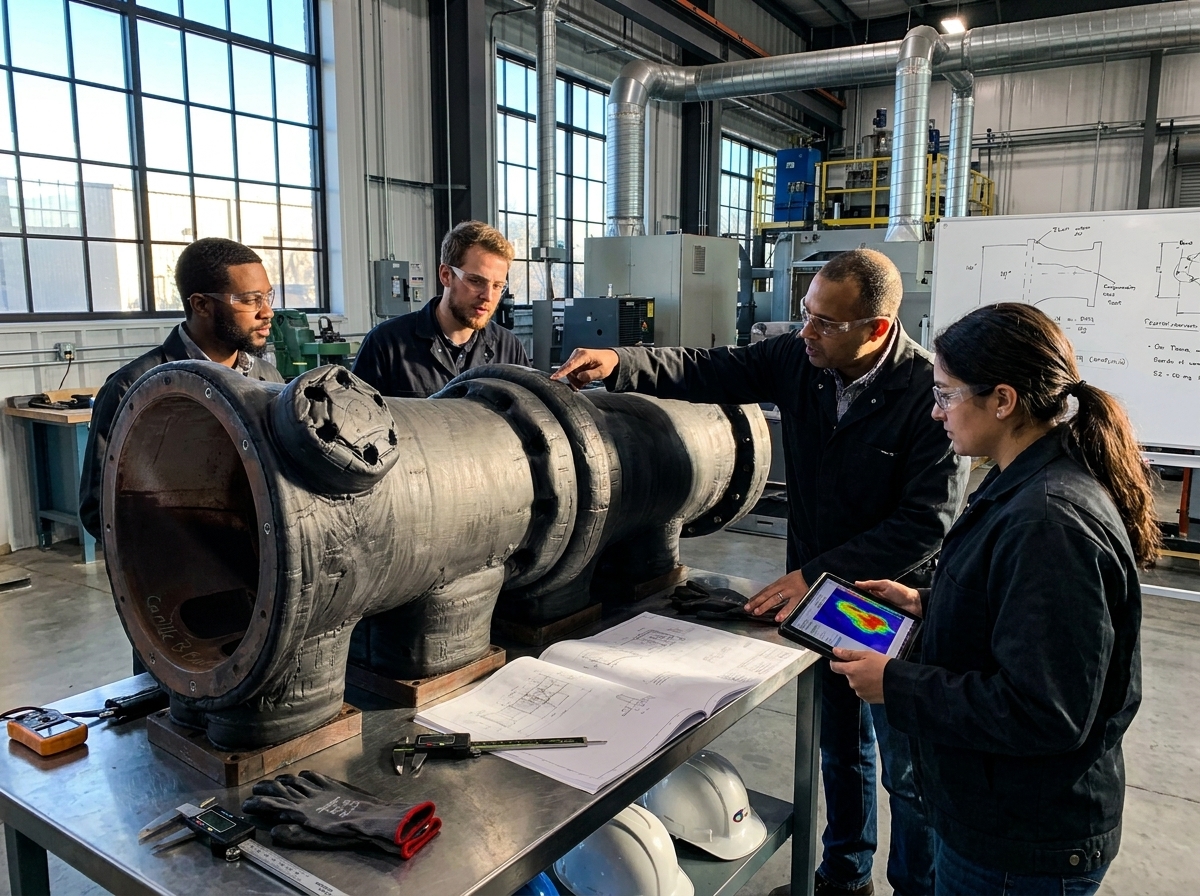
Improving the reliability of your insulation involves more than just installation. Let’s explore solutions that enhance performance and safety.
Controlled-Fit Insulation Solutions
Controlled-fit insulation systems offer precise coverage, reducing the risk of drift. These solutions are designed to fit exact specifications, ensuring a snug fit. By using systems tailored to your equipment’s dimensions, you minimize gaps and maximize effectiveness. This precision in fit translates to better performance and increased safety, making it a preferred choice for many industries.
Importance of Torque Specification
Torque specification is crucial for maintaining insulation integrity. Proper torque ensures that fastening hardware holds the insulation securely in place. Incorrect torque can lead to loose fittings and eventual drift. By adhering to specified torque values, you ensure that all components remain tightly secured. This attention to detail helps maintain consistent coverage and prolongs the life of your insulation system.
Thermal Mapping for EHS Compliance
Thermal mapping is a valuable tool for compliance and safety. It helps identify temperature variations across surfaces, highlighting potential problem areas. By conducting regular thermal assessments, you can ensure that insulation is performing as expected and meeting safety standards. This proactive approach not only aids in compliance but also enhances overall system reliability.
In conclusion, understanding and addressing coverage drift is vital to maintaining high-temperature insulation effectiveness. By implementing repeatable techniques, leveraging part swap programs, and ensuring proper reinstallation, you can prevent drift and protect both equipment and personnel. Emphasizing controlled-fit solutions, torque specifications, and thermal mapping further enhances reliability and safety. These strategies empower you to maintain optimal performance and compliance in demanding environments.
Contact HTI about your project. Send drawings and operating conditions for review.