

Most insulation failures happen after maintenance, when fit and clearance control slip. Your downtime rises, and hot-surface risks multiply without clear tolerance stack-up management. Drawings-based scoping for permanent exhaust insulation offers a controlled-fit solution tailored to your engine exhaust insulation needs. Keep coverage consistent, reduce rework, and protect uptime with strategies designed for your operating conditions. Learn more about advanced high-temperature insulations here.
Drawings-Based Scoping Essentials
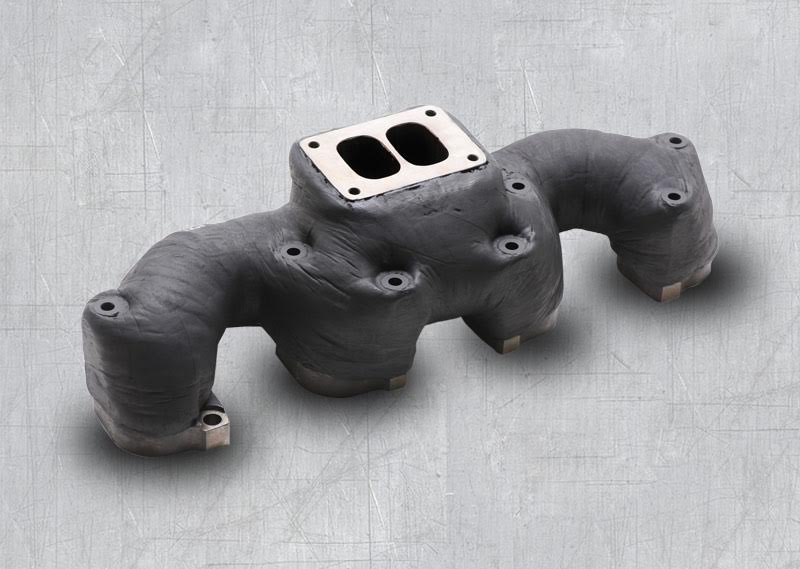
Understanding how to achieve a perfect fit in insulation systems begins with drawings-based scoping. This approach is key for ensuring that insulation meets the specific needs of your engine’s exhaust system.
Understanding Permanent Exhaust Insulation
When you’re dealing with high-temperature environments, permanent exhaust insulation becomes a necessity. Unlike removable covers, permanent solutions offer consistent thermal protection. These solutions are tailored to fit each engine’s unique design. By using detailed drawings, you can ensure that every piece of insulation is made to the exact specifications needed for optimal performance. This level of precision helps in maintaining a consistent coverage, which is crucial in preventing heat-related issues.
Fit Assurance Techniques
Achieving the right fit is more than just having the correct size. It involves understanding the nuances of installation and ongoing maintenance. Techniques such as thermal mapping documentation guide the initial fit process. They allow you to visualize thermal patterns and adjust insulation accordingly. This process also involves validating the fit through tests. By doing so, you confirm that the insulation not only fits well but also performs effectively under operating conditions.
Tolerance Control Explained
Tolerance stack-up is an often overlooked aspect that can lead to significant problems if not managed well. It involves ensuring that all components fit together without leaving gaps or causing stress. Tolerance control ensures that even after maintenance, the insulation will fit back perfectly. This reduces the risk of hot zones and potential failures. Understanding and controlling these tolerances can prevent unexpected downtime and maintain your equipment’s reliability.
Importance of Controlled-Fit Insulation
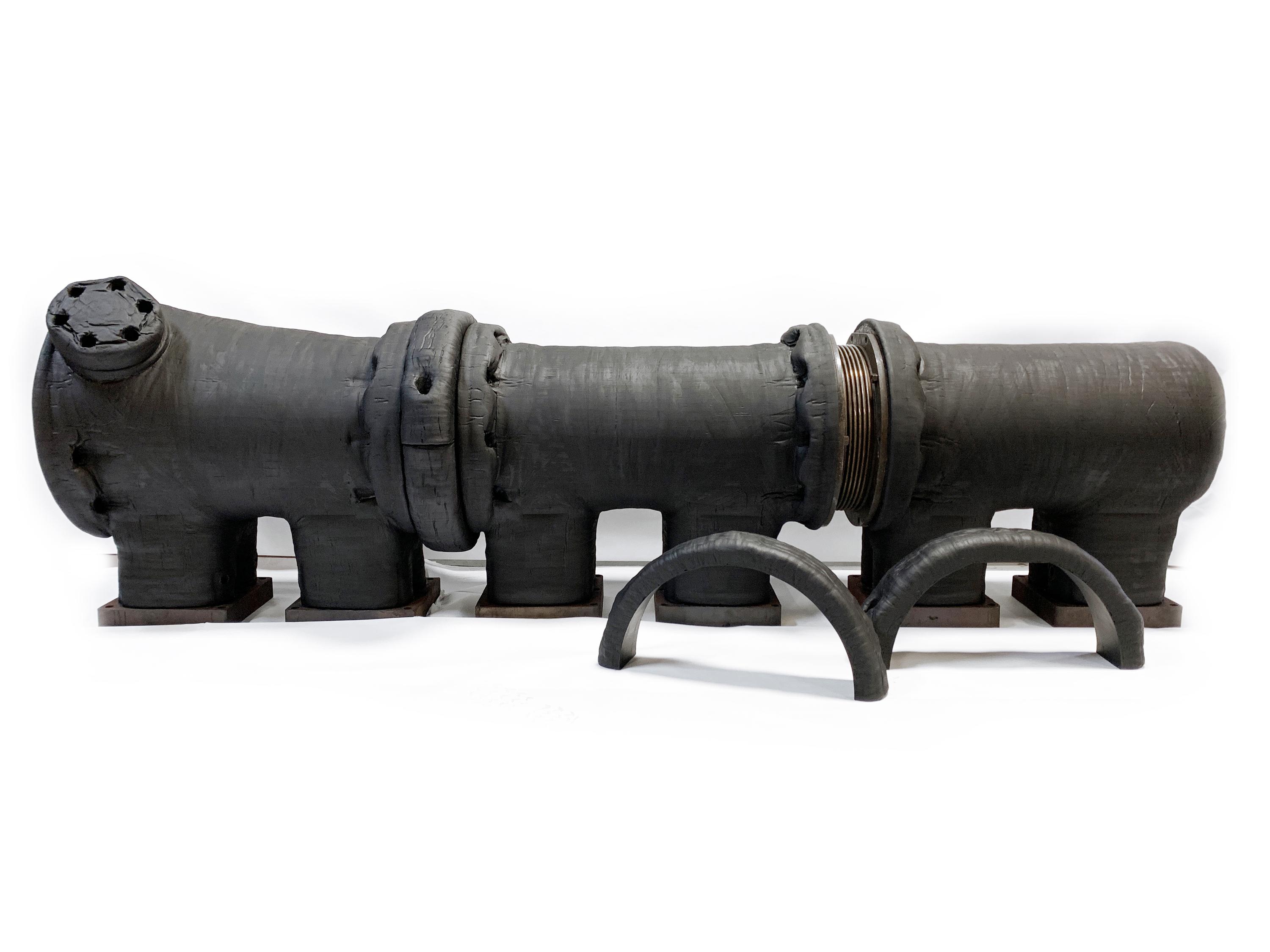
The impact of a controlled fit extends beyond just physical protection. It plays a vital role in enhancing safety and operational efficiency.
Hot Surface Risk Reduction
By using controlled-fit insulation, you effectively minimize hot surface risks. This type of insulation provides a barrier that keeps temperatures in check, thus protecting both the machinery and personnel. When insulation fits precisely, it covers all vulnerable areas, eliminating the possibility of exposed hot surfaces. This protection is especially crucial in environments where safety is a top priority, such as in marine and mining operations.
Maintenance Repeatability Benefits
One of the major advantages of having a well-fitted insulation system is the ease of maintenance. Maintenance repeatability becomes feasible as the insulation can be removed and reinstalled without losing its effectiveness. This repeatability not only saves time but also reduces labor costs. With a standardized approach, maintenance teams can predict outcomes more accurately, paving the way for smoother operations and fewer unexpected interruptions.
Uptime Protection Strategies
Uptime is critical in any industrial operation. Controlled-fit insulation plays a significant role in protecting uptime by ensuring that systems remain operational and efficient. By providing consistent thermal management, these systems reduce the likelihood of breakdowns. The longer your machinery runs smoothly, the more productive your operations become. This efficiency translates to cost savings and enhanced reliability across the board.
On-Demand Part Swap Program Highlights
Understanding the benefits of controlled-fit insulation is just the beginning. Implementing these solutions is where the On-Demand Part Swap Program comes into play.
Scheduling a Scoping Call
The first step in taking advantage of this program is to schedule a scoping call. During this call, experts will help you assess your needs and tailor a solution that matches your operational requirements. This call is crucial as it lays the foundation for a successful implementation.
Serialized Kits for Test Cells
For those working in test cells, serialized kits offer a streamlined solution. These kits are designed to fit specific configurations, ensuring that every installation is consistent and reliable. By using serialized kits, you minimize the risk of errors during installation and maximize the accuracy of your thermal management system.
Expedited Turnarounds and Documentation
Time is of the essence in any operation. The On-Demand Part Swap Program offers expedited turnarounds, ensuring that you have the parts you need when you need them. Additionally, comprehensive documentation is provided to support every aspect of the installation process. This documentation is invaluable in maintaining compliance and ensuring that all procedures are followed correctly.
In conclusion, adopting drawings-based scoping and controlled-fit insulation not only enhances safety and efficiency but also supports seamless operations. By utilizing HTI’s programs and solutions, you can ensure that your systems remain reliable and effective, thus reducing downtime and maximizing productivity.
Contact HTI about your project. Send drawings and operating conditions for review.